

How digital fraudsters are targeting insurance buyers with new-age scams


By Vikram Jain, Chief Technology Officer & Business Transformation, Universal Sompo General Insurance
While suspected digital fraud attempts reached 7.1% of all digital transactions made in India in 2025, insurance emerged as one of the most targeted sectors where cyber criminals are increasingly perpetrating identity-driven attacks on unsuspecting customers.
By exploiting susceptibilities during the onboarding and authentication processes, digital fraudsters are adopting sophisticated methods to manipulate customer identities and orchestrate account takeover attempts. So much so that suspected digital fraud volumes increased by 145% between 2024 and 2025; resulting in an 11.5% suspected digital fraud rate in the insurance sector for the year gone by. Against this backdrop, it is important to understand the modalities employed by digital fraudsters and how existing policyholders or first-time insurance buyers can secure themselves from new-age digital scams.
Voice cloning and deepfake impersonation
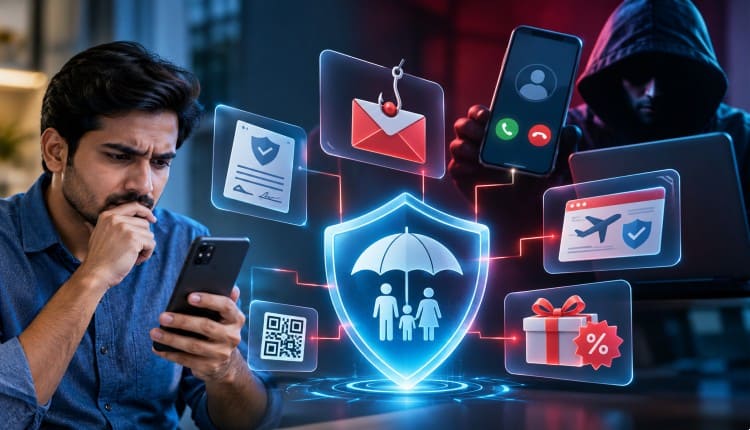
One of the most notable scams being played out is the use of AI voice cloning to impersonate actual insurance agents. In these cases, potential insurance buyers are targeted with authentic sounding calls where fraudsters attempt to gain access to personal or account related information. They do this by stating that the buyer’s or policyholder’s account is compromised or insurance premiums are due; post which they coax them to divulge bank account details or even ask them to make immediate payments to keep the policy active.
Many a times they also trigger one-time passwords (OTPs) and request the victim to share the same on call for further insurance processes. In more extreme cases, cyber criminals may video call the insured through WhatsApp and other digital platforms by utilising deepfake video technology, thereby convincing the victim that the call is being made by an insurer’s or broker’s representative. In all of these scenarios, they create a sense of urgency and force unsuspecting insurance customers or buyers to share their financially sensitive information.
Fake websites and mobile applications
Considering the fact that most insurance companies today have incorporated digital onboarding processes, fraudsters are attempting to gain access to high-value customer interactions through fake websites that mimic the look of authorised digital channels. This method of spoofing actual websites or even mobile applications often catch first-time buyers off guard as they mirror trusted insurer’ websites in terms of the logo and domain names used.
When existing policyholders or insurance buyers login to such digital platforms, they are encouraged to enter personal details like KYC documents or even credit/debit card details on the pretext of getting discounts on insurance premiums. This method is often used to entice digitally savvy consumers who are inclined to discover insurance plans and complete the onboarding process through online channels. Buyers should verify the website and mobile apps being used before making any insurance related transaction, with a keen focus on looking out for spelling mistakes or minor differences in the brand logo or domain name to distinguish fake apps or sites from genuine ones.
Ghost brokers posing as insurance representatives
With most consumers spending a lot of their time on social media platforms, digital fraudsters are now posing as insurance brokers by running genuine looking advertisements that promise insurance plans at a steep discount to actual prices. This modality is used to attract first-time buyers and vulnerable demographic groups like senior citizens; with fraudsters often targeting price-sensitive consumers with clearly underpriced insurance offerings.
Once the victim clicks on the ad and shares personal information, these digital fraudster proceed to generate authentic-looking insurance premium quotes and ‘sell’ policies online after collecting the advertised premiums. In such cases, the victims are either provided with forged policy certificates or are defrauded of their money by cancelling the policy immediately after to collect the applicable refund. To avoid falling prey to such elaborate tactics, buyers are advised to always cross-check the credentials of the representatives they are dealing with and not solicit quotes on social media platforms unless they are sure that they originate from trusted sources.