

Punjab’s digital health revolution: How technology is reshaping citizen-centric healthcare delivery

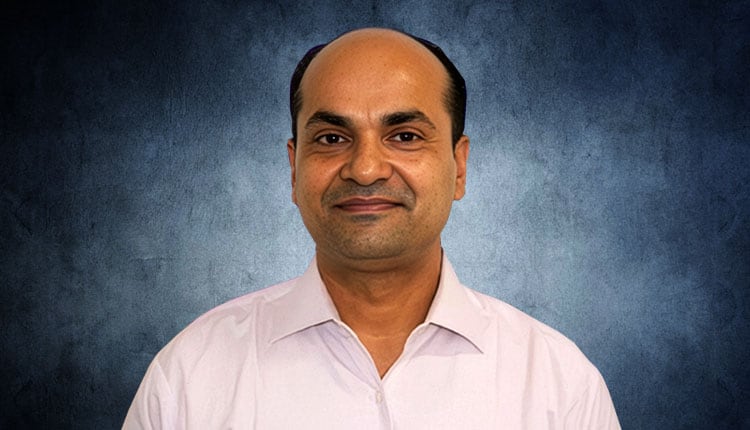

In a special interaction with Express Computer, IAS Kumar Rahul, Principal Secretary, Health & Family Welfare and Medical Education & Research, Govt of Punjab, highlights how the state is accelerating digital transformation across its healthcare ecosystem to build a more connected, efficient, and citizen-centric healthcare framework. As healthcare systems globally move towards technology-led service delivery, Punjab is leveraging digital innovation to modernise governance, improve patient outcomes, and strengthen healthcare accessibility across the state.
The healthcare sector today stands at the intersection of technology and public welfare. From AI-powered diagnostics and telemedicine to digital health records and predictive analytics, technology is redefining how healthcare services are delivered and managed. In Punjab, this transformation is increasingly visible through the integration of digital systems across hospitals, medical colleges, and healthcare administration.
Rahul emphasises that digital transformation is no longer an optional modernisation initiative but a critical governance necessity. “The adoption of technology-driven healthcare systems is enabling the department to improve operational efficiency, strengthen transparency, and ensure faster healthcare delivery for citizens. By integrating healthcare services through digital platforms, Punjab is building an ecosystem where patient care becomes more seamless and data-driven,” he says.
One of the most significant developments has been the growing adoption of digital health management systems across healthcare institutions. Hospitals are increasingly utilising digital records, automated workflows, and centralised information systems to reduce administrative bottlenecks and improve coordination among healthcare professionals. The shift from manual operations to digitally enabled processes is helping streamline patient management while reducing delays in treatment and reporting,” he points out.
Telemedicine has emerged as another transformative pillar in Punjab’s healthcare strategy. Through virtual consultation platforms and remote healthcare services, patients in rural and underserved regions are gaining improved access to medical expertise without the burden of extensive travel. “This has particularly strengthened healthcare outreach in geographically distant areas, where access to specialist consultations was previously limited,” he adds.
Rahul affirms that technology adoption is helping bridge the accessibility gap between urban and rural healthcare systems. Digital healthcare platforms are making healthcare services more inclusive by enabling patients to access consultations, reports, and healthcare information through technology-enabled channels. The emphasis is not only on digitisation but on ensuring that digital systems create a meaningful impact at the grassroots level.
“The modernisation of medical education and research institutions is also playing a key role in Punjab’s broader healthcare transformation agenda,” says Rahul, adding that medical colleges and teaching hospitals are increasingly incorporating digital tools into academic learning, clinical training, and research operations. By fostering a digitally empowered learning ecosystem, the state is preparing future healthcare professionals for an industry that is rapidly evolving through technology integration.
He reminds us that beyond patient services, digital transformation is significantly improving healthcare governance and administration. “Data analytics and real-time monitoring tools are enabling authorities to track healthcare indicators, optimise resource allocation, and strengthen disease surveillance mechanisms. Such systems provide actionable insights that support evidence-based policymaking and more proactive healthcare management.”
Administrative efficiency has also improved through the adoption of integrated digital platforms for procurement, hospital operations, and inventory management. These systems are reducing manual dependency, minimising inefficiencies, and increasing accountability within healthcare administration. As healthcare operations become increasingly data-centric, digital governance is helping departments make faster and more informed decisions.
Cybersecurity and data privacy remain central to this transformation journey. With the growing use of digital health records and interconnected systems, ensuring the protection of sensitive patient data is becoming a top priority. “Punjab’s healthcare ecosystem is focusing on creating secure and resilient digital infrastructures capable of supporting large-scale healthcare digitisation while maintaining public trust,” says Rahul.
The state’s digital healthcare initiatives align closely with India’s broader vision of technology-enabled governance and digitally connected public services. National initiatives around digital health IDs, electronic medical records, and integrated healthcare platforms are creating a strong foundation for states like Punjab to further accelerate innovation in healthcare delivery.
However, digital transformation in healthcare is an ongoing journey rather than a one-time implementation. Rahul avers that challenges related to digital literacy, infrastructure expansion, technology adoption, and workforce training still need continuous attention. Sustained investments in healthcare IT infrastructure and capacity building will be critical to ensuring long-term success and scalability.
Punjab’s evolving healthcare ecosystem demonstrates how digital transformation can become a powerful catalyst for citizen-centric governance. By embracing technology across healthcare delivery, administration, and medical education, the state is building a future-ready healthcare framework that prioritises efficiency, accessibility, and innovation.
Under the leadership of Kumar Rahul and the Department of Health & Family Welfare and Medical Education & Research, Punjab is steadily shaping a digitally empowered healthcare model that reflects the future of public healthcare governance in India.