

Agentic AI Will Redefine How Enterprises Plan, Decide, and Execute : Charu Bhargava, VP-IT, Sheela Foam (Sleepwell)

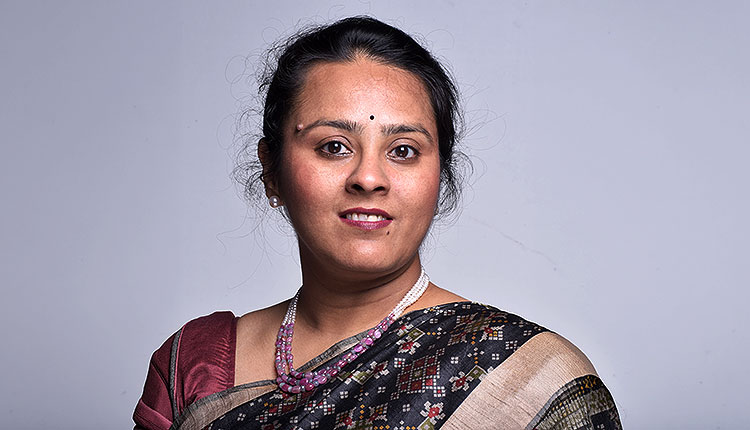

In an exclusive conversation with Express Computer, Charu Bhargava, VP-IT, Sheela Foam (Sleepwell), shares her views on how AI and emerging technologies are reshaping the enterprise landscape. She talks about the rise of agentic AI, the growing impact of AI, IoT, and data analytics in manufacturing and supply chains, the need to balance innovation with strong cybersecurity, and the qualities that will define successful digital leaders in the years ahead. She also shares her perspective on building more inclusive workplaces where leadership is driven by talent, capability, and diverse thinking.
AI is evolving from copilots to autonomous agents. How do you see agentic AI reshaping enterprise operations over the next few years?
Agentic AI will shift enterprises from human-led workflows to systems that autonomously plan, decide, and execute routine tasks. It will enable faster decision-making, reduce operational overhead, and drive continuous process optimisation through self-learning agents. This will free employees to focus on more strategic work while requiring new governance frameworks for safety, ethics, and accountability. Organisations will also need to invest in integration, observability, and workforce upskilling to ensure AI agents augment, rather than disrupt, business value chains.
How are AI, IoT, and data analytics driving smarter manufacturing, stronger supply chains, and better customer experiences?
AI, IoT, and analytics work best when they complement each other. IoT devices collect real-time data from operations, analytics turn that data into meaningful insights, and AI helps automate decisions and actions. In manufacturing, this enables predictive maintenance, improves production efficiency, and minimises downtime. Across the supply chain, it enhances demand forecasting, optimises logistics, and helps organisations respond to disruptions more effectively. On the customer side, it supports personalised experiences and faster service. Together, these technologies help businesses become more efficient, agile, and data-driven while reducing costs and improving overall operational performance.
With AI-powered cyber threats on the rise, how are organisations balancing cybersecurity, resilience, and innovation?
Balancing cybersecurity, resilience, and innovation requires organisations to take a risk-based approach. Critical assets should receive the highest level of protection, supported by Zero Trust principles and security integrated into every stage of the development lifecycle. At the same time, continuous monitoring, threat intelligence, and resilient system design help ensure business continuity even when incidents occur. As organisations adopt AI and other emerging technologies, innovation must be backed by strong governance, secure data practices, and controlled testing environments. This allows businesses to experiment confidently while minimising exposure to evolving cyber threats.
What do you think will separate digital leaders from the rest over the next five years, and how can organisations stay ahead of the curve?
The next generation of digital leaders will be those who can move quickly, embrace continuous learning, and build technology that is flexible and scalable. Success will depend on fostering a culture of experimentation, making decisions backed by data, and investing in the right talent and digital platforms. At the same time, responsible AI governance and strong interoperability across systems will become essential. To stay ahead, organisations must empower teams to innovate, adopt open and standardised technologies, continuously upskill their workforce, and build digital capabilities that deliver long-term business value rather than serving as one-time transformation initiatives.
Women continue to be underrepresented in technology leadership. What more needs to be done to accelerate their journey into leadership roles?
I believe the real shift will come when we move beyond viewing leadership through the lens of gender and instead focus on capability, merit, and potential. Every individual brings unique experiences and perspectives, and organisations thrive when leadership reflects diverse ways of thinking. The objective should not be to create separate opportunities for women, but to ensure that biases and structural barriers do not stand in the way of deserving talent. Ultimately, fostering an inclusive culture where diverse perspectives are recognised and valued will lead to stronger leadership and better business outcomes.
