

The 100% audit dream: How AI is finally solving quality control’s oldest problem

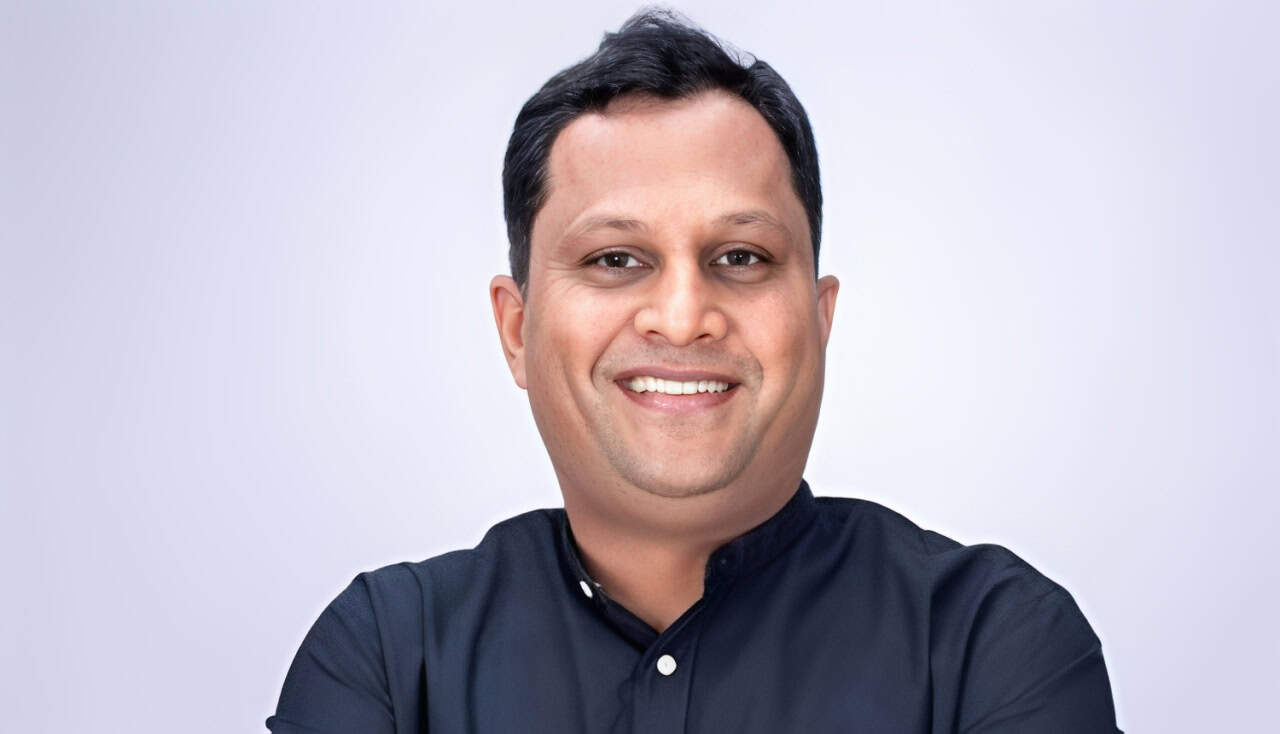

By Akhil Gupta, co-founder and CTPO of NoBroker
There is a number that the quality control industry has quietly agreed never to say out loud. On their best days, with their best teams in place, they are reviewing somewhere between 2 and 5 percent of their customer calls. The rest, the other 95 to 98 percent, go unheard.
This is not a small company problem or a resource problem. It is a structural one. It has existed for as long as customer care centres have existed. And for the longest time, the industry simply made peace with it because there was no other option.
That is finally changing. In 2026, AI has made 100% audit not just possible but practical, affordable, and happening right now across industries in India and beyond.
Understanding why this matters, and what it means for businesses and the customers they serve, is worth paying attention to.
Why sampling was always a compromise
The math of human-led quality control has never worked in anyone’s favour. If your team handles 10,000 calls a day and a quality analyst can realistically review 25 to 30 calls per shift, covering even half your volume would require hundreds of analysts. Add to that the reality that humans get fatigued, that reviewing repetitive calls breeds blind spots, and that sampling by its very nature is a guess dressed up as a system.
The 2 to 5 percent that gets reviewed is rarely representative. It misses the agent who is compliant on monitored calls and cuts corners on the rest. It misses the specific time of day when resolution rates drop. It misses the product category where customers are repeatedly confused by the same explanation. And it misses the compliance breach that nobody caught because nobody was listening.
Businesses knew this. They just had no better option. So they sampled, reported, and hoped.
What changed, and why it matters right now
Three things came together to make 100% audit a real possibility in 2026.
First, STT technology got genuinely good at handling the way people in India actually speak. Not just English with a neutral accent, but Hindi, Tamil, Telugu, Kannada, and the kind of code-switching between languages that happens naturally in every Indian customer call. Akshara, an in-house STT model built by ConvoZen specifically for Indic telephony, beats all benchmarks on Indic telephony datasets. This was a hard problem that took years to solve properly.
Second, large language models became capable enough to understand context and sentiment rather than just transcribe words. An AI can now tell the difference between a customer who is mildly inconvenienced and one who is about to churn. It can identify whether an agent followed a compliance script or skipped over a mandatory disclosure. It can flag a promise that was made but not logged.
Third, the cost of running this at scale came down to a point where it stopped being a luxury for large banks and became something a mid-sized business could actually afford and deploy.
The result is a shift from sampling to full coverage. Every call, every chat, every WhatsApp message, every email, every customer touchpoint scored, flagged, and made visible in a way that was simply not possible before. Platforms like ConvoZen were built precisely to deliver this for Indian businesses at the India scale, turning what was once an unmanageable volume of conversations into a structured, searchable source of business intelligence.
What businesses actually see when they have full visibility
Moving from 2% to 100% makes the rare look common, because problems that seem like outliers show up everywhere once you are seeing everything. Coaching becomes evidence-based, drawn from hundreds of calls rather than three random ones. Compliance moves from a matter of trust to a matter of record. And patterns that were always invisible, a phrase that appears in every call before a cancellation, an agent whose techniques consistently resolve difficult cases, a region where sentiment is quietly declining, all of it becomes visible. Many AI tools make this actionable, not just a dashboard but a system that tells you what to do next.
When every conversation is audited, upsell opportunities that agents miss get flagged automatically. A customer who asked about an upgraded plan but was never followed up with. A lead who showed clear buying intent on a chat but received no callback. These moments were always happening. They were just never visible.
No customer is left unheard. No wrong sale goes unnoticed. No compliance breach slips through undetected.
Companies that have moved to AI platforms like ConvoZen have seen a direct impact on their quality control. Agents are being coached on real patterns, not random samples. Compliance breaches that previously slipped through undetected are now caught the same day. Calls and conversations that would have gone unheard are now fully visible. The result is not just better scores on a quality dashboard. It is a fundamentally different level of accountability across every customer interaction with all businesses experiencing 7-15% increase in lead to conversion.
This is not about replacing people
There is understandable anxiety around AI and jobs, and it deserves a direct answer.
Automating quality audit does not eliminate quality teams. It changes what they do. The work of listening to randomly selected calls and filling out a scoring sheet is not where human judgment actually adds value. What humans are good at is deciding what to do with the patterns the AI surfaces, coaching agents in a way that feels human and motivating, identifying systemic issues and figuring out how to fix them.
The AI does the listening at scale. The humans do the thinking. The teams that have made this shift are not smaller. They are doing more meaningful work.
Where India sits in this shift
India is not just adopting this technology. It is building it, because the problem here is harder than anywhere else in the world.
22 official languages, dozens of regional dialects, customers switching languages mid-sentence, and enormous call volumes across real estate, fintech, and healthcare every single day. No Western tool was built for this reality. No model trained on English-speaking markets can handle it reliably.
The platforms doing it properly were built from scratch for this reality, trained on tens of thousands of hours of actual Indian contact centre conversations.
The oldest problem, finally solved
Quality control was always an approximation. You did what you could with the tools available, and the tools were simply not built for the job.
That is no longer true in 2026. The 100% audit is real, it is affordable, and it is already running inside businesses across India. The companies adopting it early are discovering things about their operations, their customers, and their teams that they never had access to before.
The 95% of conversations that were always invisible are finally being heard. And what they are saying is changing how businesses understand quality altogether.