


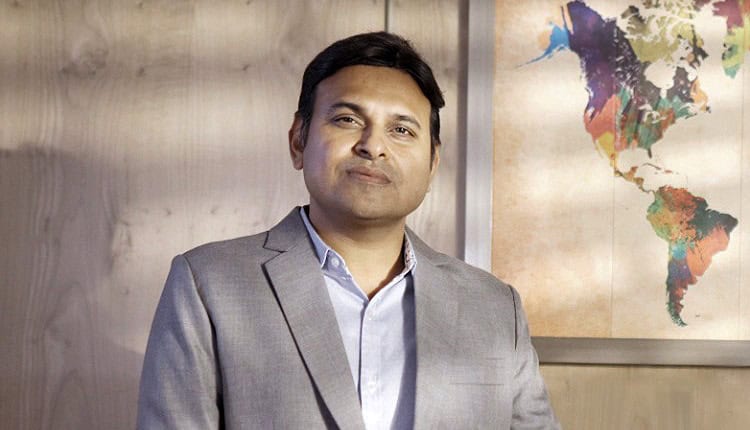

By- Milind Shah, Director, WISHTEL
Technology is changing the way we live, work, and connect. But for many people in India, especially in rural areas, access to technology and new devices is still limited. Also, this is due to a lack of accessible market options for individuals to effectively compare and choose the most suitable solutions. To truly grow as a digital nation, we must take into account that it reaches to everyone and is accessible to all parts of the nation.
Today, from schooling to hospitals to workplaces, everything revolves around smartphones and tablets. These devices are easy to understand and convenient to carry, which makes them more relevant in today’s digital world. Everyone now just accesses the information at their fingertips, like for learning new skills, managing money, and even starting small businesses. But simply putting something available in the market is not enough. For technology to make a real difference, it must be affordable, easy to use, and supported with proper training.
A great example of this comes from SHGs (Self-Help Groups) working with women in Maharashtra, where women used tablets and were trained on how to use digital tools. Many are now able to create UPI payments or use digital banking or access government schemes directly. The change has been transformational; women who previously relied on others for financial transactions are now handling their own transactions (not just day-to-day), making better decisions with their money and are more confident about doing so. The shift to this level of independence will help women achieve financial independence. It’s also encouraging to see the broader impact that these women have; many of these women share what they do with members of their community, and others in their village are starting to use digital tools as well.
This creates a ripple effect, where one person’s learning creates learning for many others. That said, the key takeaway from this initiative is that technology will not solve the problem by itself; skills will also play a significant role in making the technology useful. Training in the areas of digital payments/transactions, bookkeeping and business management fundamentals is critical. When people can effectively learn how to use technology, it can create additional income for them and lead to long-term sustainable growth.
Technology is also making a difference in healthcare. In many parts of India, access to quality healthcare is limited due to a lack of trained professionals. By integrating tablets into healthcare machines, it becomes easier for workers to use advanced systems without needing deep technical knowledge.
Simple touch-based interfaces allow healthcare workers to run tests, monitor patients, and manage devices more easily. This improves the quality of care and helps bring better healthcare services to remote areas. It also saves time and reduces the chances of errors.
These examples show an important idea: access and ease of use must go hand in hand. If technology is too complex or not designed for local needs, people will not be able to use it fully. That’s why it is important to design solutions in local languages, with simple interfaces that anyone can understand.
In addition, there needs to be increased emphasis placed on raising awareness of the benefits of using technology and encouraging the adoption of technology by individuals in their everyday routines. In particular, an emphasis should be placed on community-based models of assistance, particularly those led by women, as they have demonstrated tremendous success at the grassroots level.
Ultimately, technology should not simply represent advancement; it should also represent inclusion. It should be affordable, accessible, and usable for everyone despite of their income, location, education, or background. If it is made accessible for all, then technology will be able to make a real difference in changing the lives of many people and helping to create a more equitable and more robust India. In the future, India has an opportunity to create a completely inclusive technological future.