

Transformation succeeds when people, processes, and technology align : Manish Chandegara, Group CIO, Simpolo Group

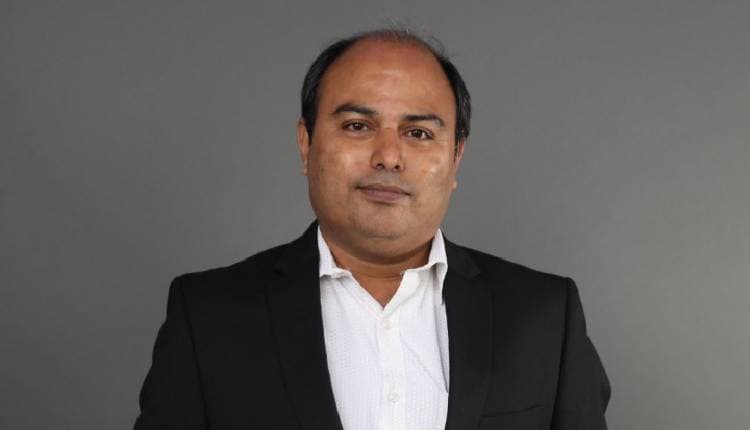

In an exclusive interaction with Express Computer, Manish Chandegara, Group CIO, Simpolo Group, shared valuable insights into his journey as a technology leader, the challenges he has faced, and how he envisions the future of IT in the ceramic industry. He emphasised that emerging technologies such as IoT and GenAI are becoming strategic enablers for driving efficiency, innovation, and growth.
Highlighting the growing importance of cybersecurity in this digital era, Chandegara said, “We are integrating AI tools across our cloud infrastructure and SAP ERP systems to strengthen our security posture and create a more resilient digital ecosystem. We follow the PPT approach—Process, People, Technology. Strong processes enable smooth transformation, trained people drive adoption, and technology bridges old and new systems. This structured approach ensures a seamless and secure digital transition, helping us maintain agility, scalability, and business continuity while modernising our IT landscape.”
With rapid digitisation happening across industries, how do you see the role of AI, IoT, and Generative AI?
The current market trend shows that digital transformation isn’t just about upgrading existing technology; it’s about leveraging AI, IoT, and smart factory concepts to extract meaningful insights. IoT allows us to connect core machines, collect data in real time, and convert it into actionable information for humans to analyse. AI helps automate repetitive tasks. Generative AI further supports advanced applications, enabling better decision-making and predictive insights.
As a CIO, what are the top technology trends that you believe will disrupt the manufacturing and retail industries?
Smart factory implementations integrating IoT are critical. Data from machines needs to be captured intelligently and converted into usable insights. AI will help minimise repetitive tasks and manual work. Automating data entry and reporting through AI-powered tools will be another significant trend. Collectively, these technologies will redefine productivity, operational efficiency, and the customer experience.
How do you see Generative AI shaping manufacturing in the ceramic sector?
Generative AI can significantly improve product design, predictive maintenance, and supply chain operations. It helps forecast machine maintenance schedules, plan raw material requirements, schedule production, and reduce downtime. By leveraging generative AI, we can enhance accuracy, efficiency, and sustainability in the manufacturing process.
What cybersecurity strategies and AI-driven tools are you implementing for sensitive operational and customer data?
We have recently upgraded our antivirus systems to XDR, an AI-driven solution that predicts and protects our IT systems. Additionally, we are integrating AI tools across our cloud infrastructure and SAP ERP systems to enhance cybersecurity. We are also developing robust cybersecurity policies and aiming to comply with ISO 14000 standards for IT, ensuring comprehensive protection of our operational and customer data.
How is Simpolo integrating IoT and AI to reduce its carbon footprint and improve sustainability?
Manufacturing consumes significant energy, water, and fuel, and human error often leads to wastage. By implementing smart factory solutions, we can optimise energy usage, automate operations, and reduce unnecessary consumption, ultimately lowering our carbon footprint and moving towards greener manufacturing processes.
How is Simpolo leveraging technology to provide superior digital experiences for both customers and dealers?
Over the past year, we implemented SAP Customer Cloud for our sales teams and SAP Comers Club for dealers. These platforms digitalise the entire journey ordering, invoices, material delivery status—on a single portal or mobile app. This allows sales teams and dealers to access all relevant information quickly, improving the digital experience for both ends.
What advice would you give fellow CIOs regarding AI and digital transformation?
There is a misconception that AI will replace jobs. That’s not true. AI enhances human capabilities, accelerates work, and improves efficiency. My advice to CIOs is to continuously upgrade themselves and their teams to keep pace with evolving technologies and market demands.
How is your organisation balancing legacy systems with modern infrastructure while maintaining agility?
We follow the PPT approach-Process, People, Technology. Strong processes enable smooth transformation, trained people drive adoption, and technology bridges old and new systems. This approach allows a gradual transition, maintaining business agility and scalability while modernising infrastructure.
Can you share insights on Simpolo’s technology roadmap and key innovations for the next 3–5 years?
Our focus is on digital adoption across tiles manufacturing, bathroom fittings, and other segments. We are implementing AI tools to automate repetitive tasks, reduce labour dependency, and improve efficiency. Generative AI is being explored for predictive maintenance, machine life forecasting, raw material scheduling, downtime management, and production planning—enhancing overall operational efficiency.
