

From switches to smart ecosystems: GM Modular’s digital transformation journey
The company has adopted a ‘cloud-first’ strategy, wherein 95% of the applications including ERP, channel partner applications, and employee apps, are on the cloud.

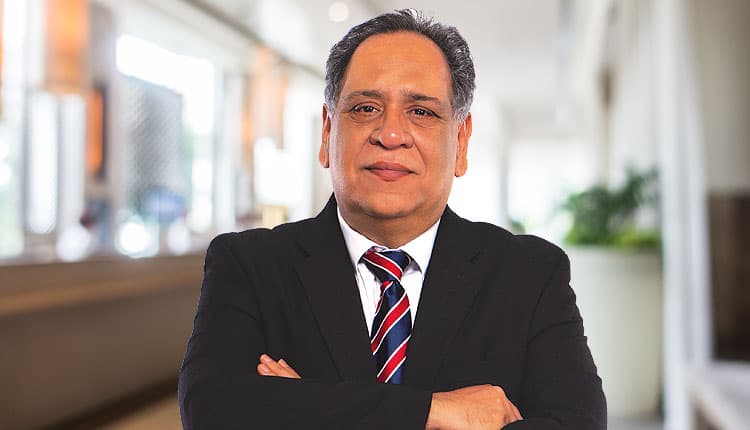

In a rapidly evolving manufacturing landscape, digital transformation is no longer optional, it is the bedrock of survival and growth. Khushru Mistry, Chief Technology Officer at GM Modular, shares how the company is pivoting from a traditional manufacturing entity into a technology-driven organisation. From migrating to the cloud and leveraging GenAI for sales optimisation to implementing Industry 4.0 standards, Mistry outlines the strategic investments driving GM Modular’s next phase of growth.
GM Modular has grown significantly in recent years. How central has digital transformation been to this journey?
Our promoters clearly recognised that digital transformation is the core base upon which the company can grow. Without these technology and digital investments, we cannot become a successful organisation. The journey began about two years ago when I was on-boarded to enable this transformation.
Our first major initiative was consolidating our data onto the right ERP platform. We moved from SAP Business One directly to SAP S4 HANA in the cloud, rather than on-premise. This allowed us to consolidate customer, retailer, and factory data, providing tremendous benefits in understanding our operations and identifying areas for efficiency.
We also digitised our channel partner ecosystem. We created an app that correlates data effectively, allowing partners to know exact delivery timelines when they buy equipment. Every move we make has a strict ROI attached to it.
As a technology leader, how do you measure the ROI of tech investments to ensure they deliver true business value?
The job of a CTO is no longer just focused on technology. It is all about the business. For example, we introduced a transport management system to optimise our supply chain. By understanding the difficulties on the ground and automating the process, such as using a partial-to-full truckload comparator, we estimated savings of three crores in one year.
This initiative alone delivered a 465% ROI. Beyond the financials, the cultural impact was significant. Dealers now know exactly when a truck will land, allowing them to make firm commitments to retailers. We focus on solving people’s problems first. For us the definition of success is when you see a pull factor from your own teams demanding the technology.
You mentioned moving SAP to the cloud. What is your broader cloud strategy, and how do you view the trend of cloud repatriation?
We have a ‘cloud-first’ strategy; though not ‘cloud only’. Today, 95% of our applications including ERP, channel partner applications, and employee apps, are on the cloud. Going back to on-premise is not the right approach; I believe that would be ‘shooting yourself in the head’ because costs would go through the roof.
Cloud providers constantly refresh their technology, giving us access to the latest power in GPUs and virtual machines. For instance, we use GPUs for video rendering. Instead of investing in large internal GPUs that become obsolete, we are now evaluating partners like Yotta and CtrlS for ‘GPU-as-a-Service,’ which allows us to pay on a per-hour basis.
How are you utilising data and AI/GenAI to redefine business processes?
Data is the crux we depend on. Over the last two years, we have cataloged our data correctly, down to pin codes and districts, and are running AI behind it to enhance customer safety. For example, our KNX product range includes non-intrusive motion detectors for bathrooms that can generate alerts if a person is immovable, potentially saving lives.
Regarding GenAI, we are in the nascent stages but seeing early wins. We used GenAI to analyse sales data and discovered that our gross operating margins improved when switches, sockets, and front plates were sold as a bundle. Consequently, we offered schemes that improved revenue and market penetration.
Moving forward, we intend to use GenAI for recommendation engines for our sales teams and to streamline inventory management, making our supply chain much leaner.
Looking ahead, what technologies are you betting big on?
We are building a massive factory on a 60-acre plot in Hyderabad where we will enable Industry 4.0 standards. We plan to implement MES (Manufacturing Execution Systems) to optimise raw material flow and enable just-in-time production.
Cybersecurity remains a top priority as we handle vast amounts of data. Additionally, we are excited about connected ecosystems. We are moving toward connected devices that communicate from the human to the machine, and down to the chip level. These ecosystems will drive energy efficiency, which is crucial for the country. Whether it’s IoT, chips, or digital training in factories, every technology will play a role in this future.
Watch the full interview: